
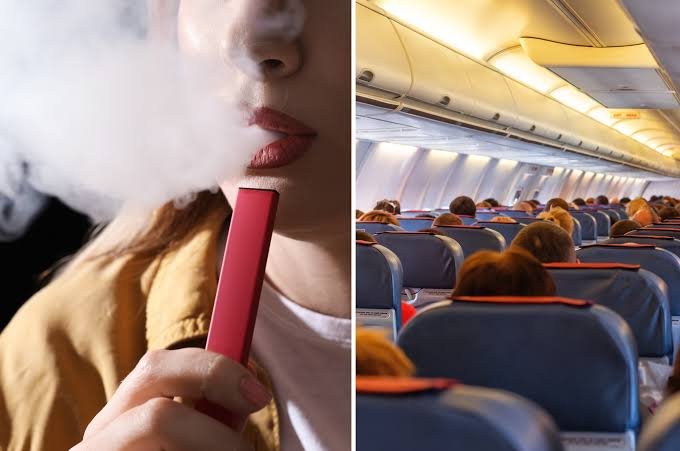
If you’re preparing for a flight and wondering, “Can you take an electric cigarette on a plane?”, the answer is generally yes, but there are important rules about where you can carry it and how it must be handled.
Electric cigarettes, commonly called e-cigarettes, vapes, vape pens or personal vaporizers, contain batteries that can present a fire risk if they are damaged, accidentally activated or packed incorrectly. For this reason, aviation authorities and airlines apply specific restrictions to electronic cigarettes when travelling by air.
Yes. In general, electronic cigarettes must be carried in your cabin baggage or on your person rather than in checked baggage. The Australian Civil Aviation Safety Authority (CASA) specifically advises passengers to keep vapes and e-cigarettes in the cabin because their batteries can overheat or catch fire.
International aviation guidance from IATA similarly identifies electronic cigarettes and vapes as items that should be carried in carry-on baggage only.
When packing your device, make sure it is protected against accidental activation and damage. If you have spare batteries, they should be individually protected against short circuits, for example by keeping them in suitable protective packaging or a battery pouch.
No. If you’re travelling with an e-cigarette, vape or similar battery-powered device, don’t put it inside your checked suitcase.
The reason is primarily fire safety. A lithium battery that overheats or catches fire is much more difficult for the crew to identify and manage in the aircraft’s cargo hold. Keeping battery-powered vaping devices in the cabin allows trained cabin crew to respond if a battery-related incident occurs.
Even though you may be permitted to bring an electric cigarette onto an aircraft, that does not mean you can use it during the flight.
CASA notes that most airlines don’t permit passengers to use electronic cigarettes onboard. Airlines can also impose additional restrictions on electronic devices, so passengers should check the rules of their particular carrier before travelling.
As a general safety rule, keep the device stored securely and follow all cabin-crew instructions throughout the journey.
No. CASA states that recharging electronic cigarettes in the cabin is prohibited. IATA guidance also says electronic cigarettes and their batteries must not be recharged onboard the aircraft.
It’s therefore sensible to make sure your permitted electronic devices are adequately charged before you travel and to keep your e-cigarette switched off and safely stored during the flight.
If you’re travelling internationally, remember that airline baggage rules and the laws of your destination country are separate issues.
An airline may permit an e-cigarette to be carried in cabin baggage while the country you’re entering has additional restrictions concerning vaping products, nicotine, liquids or their importation. Your airline can also apply rules that are stricter than the general aviation requirements.
Before travelling, check the requirements of your airline, departure airport and destination country.
Before heading to the airport, remember:
Yes, you can generally take an electric cigarette on a plane when it is permitted by the airline, but it must be carried correctly. For Australian aviation, CASA advises keeping e-cigarettes and vapes in carry-on baggage rather than checked luggage. They should not be recharged onboard, and airline restrictions concerning their use must be followed.
Because airlines and countries can impose additional restrictions, checking the rules before you leave for the airport is the safest approach. A few minutes spent checking the latest requirements can help you avoid delays, confiscation or problems during security screening.